
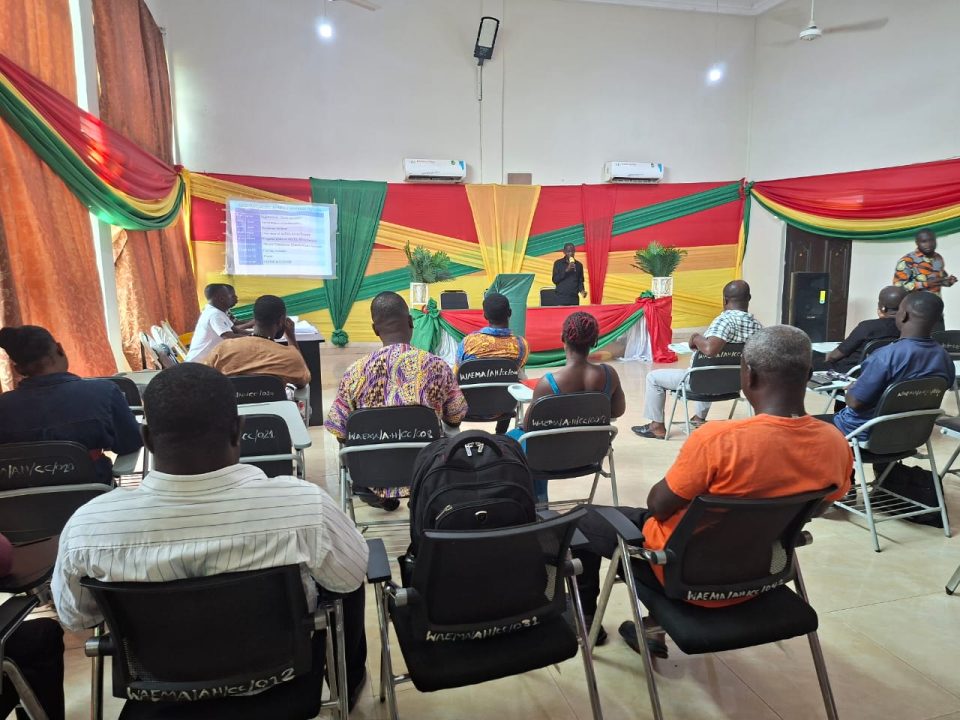
CODESULT Network, a civil society organisation, convened critical stakeholder engagement meetings in two Ghanaian municipalities this week to advance efforts in eliminating child labour, particularly in cocoa-growing and mining communities.
The meetings, held on August 5-6, 2025, at the Wassa Amenfi East Municipal Assembly Hall and Bibiani-Anhwiaso-Bekwai Municipal Assembly Hall respectively, brought together community leaders, traditional authorities, school officials, and municipal representatives to discuss implementation strategies under the International Labour Organisation’s (ILO) ACCEL Africa project, funded by the Netherlands government.
Project Manager Ebenezer Somiah led both sessions, providing stakeholders with comprehensive updates on project implementation status while soliciting support to achieve child labour eradication objectives by 2025, in line with Sustainable Development Goal 8: Decent Work and Economic Growth. Legal Framework and Constitutional Protections. Somiah emphasised Ghana’s robust legal framework protecting children’s rights, citing Article 28 of the 1992 Constitution, which outlines comprehensive rights for children with particular emphasis on their well-being and development. “These rights include protection from work that harms their health, education, or development, and freedom from torture or cruel treatment,” he stated. The presentation also referenced the Children’s Rights Act 1998 (Act 560) and the Convention on the Rights of the Child as foundational documents guiding the project’s approach.
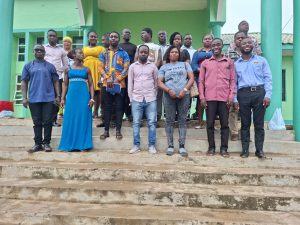
Community-Based Implementation Strategy:The ILO, in partnership with Municipal Assemblies, has strategically selected ten communities across both municipalities for focused intervention. In Bibiani-Anhwiaso-Bekwai, the project operates in Ntakam, Nsuontem, Beposo, Nkatieso, and Aboduabo, while Wassa Amenfi East implementation covers Abeneso, Adonoi, Gyedua, Dawurampong, and Nsuopun. Quoting Nigerian journalist Ekaete Ibout, Somiah reinforced the project’s core philosophy: “A child is meant to learn, not to earn,” highlighting the critical importance of prioritising education over economic exploitation of minors.
Comprehensive Activity Portfolio: Since project inception, CODESULT Network has implemented six key activity areas:Entry meetings conducted at both municipal and community levels to establish stakeholder buy-in and project awareness Formation and revitalization of Community Child Protection Committees (CCPCs) to create local oversight mechanismsTraining of CCPCs on child labour concepts and community action planning methodologies, Capacity building for community leadership on child labour identification and prevention strategies, Development of standardized community action plans addressing both child labour elimination and broader community development needs. Establish school clubs in all project communities to engage children directly in protection, advocacy, Stakeholder Commitments and Way Forward.
Monitoring and Evaluation Officer Godfred Ampaw facilitated interactive discussions where participants identified critical success factors for sustainable child labour elimination. Key recommendations included:Enactment and strict enforcement of municipal bye-laws by chiefs, community leaders, and Assembly authorities. Enhanced collaboration with school leadership to strengthen educational pathways. Implementation of comprehensive parenting and education programmes. Creating viable employment opportunities for youth to address the economic drivers of children.
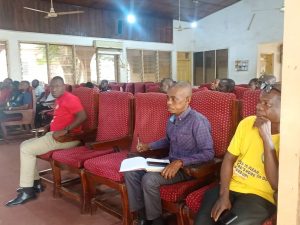
The stakeholder meetings represent a crucial milestone in Ghana’s commitment to eliminating child labour, particularly in sectors where children remain vulnerable to exploitation. The collaborative approach between international organisations, civil society, and local governance structures demonstrates a comprehensive strategy toward achieving the 2025 elimination target.
The ACCEL Africa project continues to serve as a model for community-driven child protection initiatives across West Africa, with the Netherlands government’s funding enabling scaled interventions in high-risk communities.
