
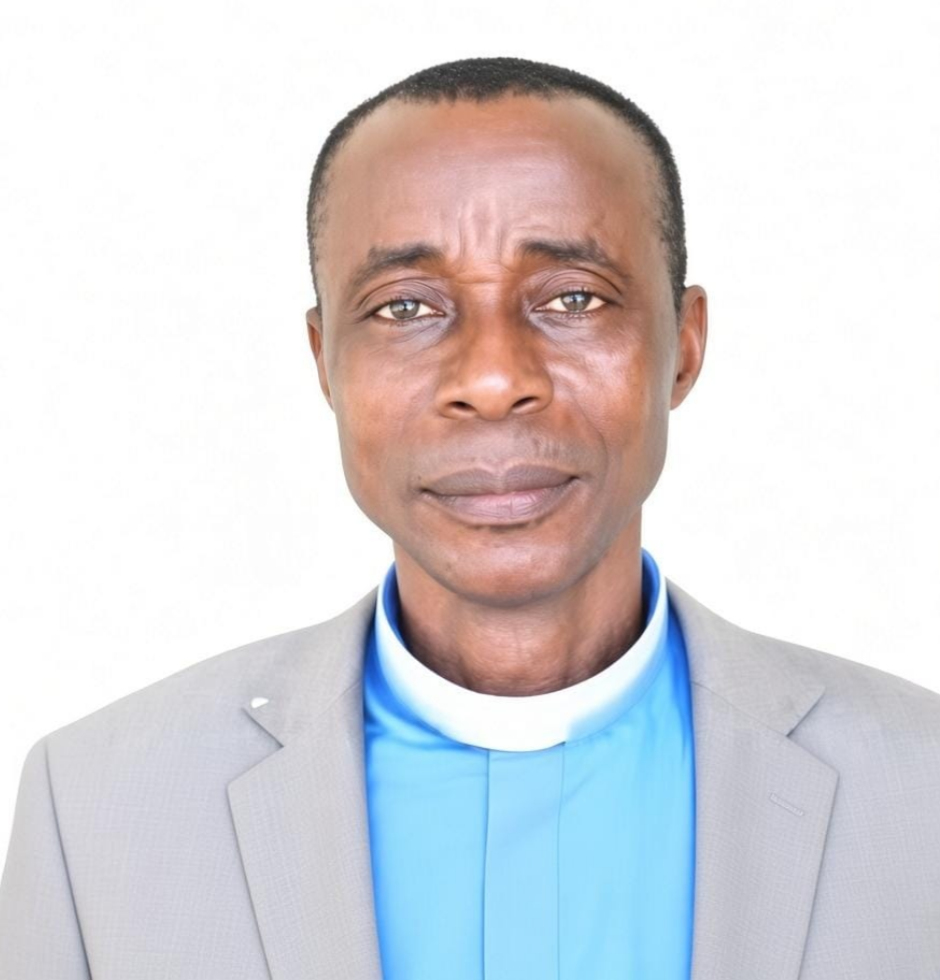
The General Overseer of the Counsel of God Church at Afrancho-Bronkong in the Ashanti Region, Rev. John Osei-Ofori, has expressed concern that the cocaine-related controversy could affect Ghana’s reputation internationally.
According to him, the matter should be treated seriously by the relevant authorities to protect the country’s image and preserve public confidence in institutions responsible for maintaining law and order.
Rev. Osei-Ofori called for tougher sanctions against persons found culpable of illicit drug-related offences, saying decisive action was necessary to deter others from engaging in similar activities.
He also expressed concern about the growing “politics of insults” in Ghana, warning that the trend was gradually affecting the younger generation and could influence how young people communicate and engage in public discourse.
The General Overseer therefore appealed to President John Dramani Mahama to apologise to Ghanaians over offensive remarks allegedly made by persons associated with his political camp and to take swift action against those found responsible.
He said political differences should not become an excuse for insults and disrespect, stressing that political leaders had a responsibility to promote civility and responsible communication among their supporters.
On the National Cathedral, Rev. Osei-Ofori said the project was a good national priority that deserved attention, while criticising persistent criticism of the initiative by some prophets.
He argued that religious leaders should be mindful of their public pronouncements on national issues, particularly when such comments could create division within the Christian community or undermine public confidence in the clergy.
Rev. Osei-Ofori further urged prophets and other members of the clergy who had become actively involved in partisan politics to reconsider their involvement, saying religious leaders should maintain their moral authority and focus on their spiritual responsibilities.
He cautioned that the involvement of prophets and other clergy members in partisan politics could, in his view, damage the image of the clergy and undermine the respect accorded religious leadership in society.
