
Ghana’s education sector has been thrown into a state of intense public debate following the release of the 2025 WASSCE results, which experts describe as one of the most troubling outcomes in recent years. Education stakeholders say the widespread poor performance is not an isolated incident but a clear sign of deep cracks within the country’s teaching and assessment framework.
The 2025 results, which reflect a sharp decline in core subject performance, have raised questions about the direction of Ghana’s education system. According to education analysts, the failure rate is not merely a classroom issue but an indictment of national policy choices that have failed to evolve with global learning demands.
At the heart of the crisis is the Standards-Based Curriculum (SBC), introduced in 2018 with the aim of promoting critical thinking, creativity, and problem-solving. While experts widely welcomed the curriculum, they argue that its implementation has clashed directly with an examination system that still rewards memorization rather than competence. This mismatch, observers say, is the root cause of the WASSCE decline.
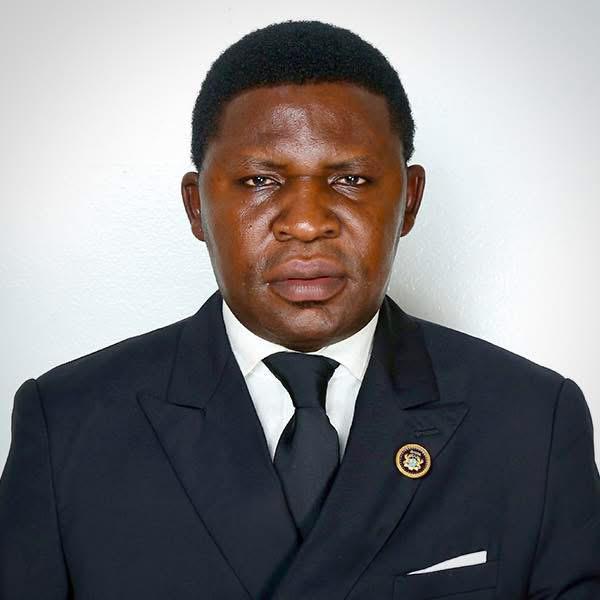
Education consultant and Executive Director of the Ghana National Council of Private Schools (GNACOPS), Obenfo Nana Kwasi Gyetuah, notes that students have spent years learning through the SBC’s skill-based model but are assessed through WAEC’s traditional recall-based exam style. “We are teaching 21st-century skills but testing 20th-century memory work,” he said. “The system is failing the children, not the other way around.”
The consequences of this policy disconnect are far-reaching. Teachers report rising levels of frustration among students who feel betrayed by a system that prepares them for one thing yet rewards something entirely different. Many learners, trained to analyze, investigate, and create, now struggle when confronted with exam formats that demand simple reproduction of information.
Stakeholders argue that the most vulnerable students—those in rural and under-resourced schools—suffer the most. With limited textbooks, insufficient digital access, and poor laboratory facilities, students in these areas are already disadvantaged. When combined with a misaligned exam system, the result is a widening performance gap between schools in urban and deprived communities.
Critics say responsibility for the crisis rests largely with two key bodies: the National Council for Curriculum and Assessment (NaCCA) and the West African Examinations Council (WAEC). The failure of these institutions to harmonize curriculum content with assessment methods, they argue, has created a “policy contradiction” that is now manifesting in national exam results.
As calls for reform grow louder, education experts insist that Ghana must urgently modernize its assessment system to reflect the SBC’s goals. They recommend the introduction of project-based assessments, continuous internal evaluation, and technology-driven testing that captures a broader range of student abilities beyond rote learning.
Teachers’ unions and private education groups are likewise urging government to invest more heavily in school resources if national learning outcomes are to improve. They emphasize that meaningful reform must go hand-in-hand with better infrastructure, teacher training, and equitable supply of learning materials across the country.
With the latest WASSCE results serving as a wake-up call, stakeholders say Ghana is standing at a critical crossroads. The nation must decide whether to continue with a system that sets students up to fail or to commit to bold reforms that will align teaching with testing and secure a stronger educational future for the next generation.
Read the full statement below Obeng Boateng below!
SYSTEM FAILURE: GHANA’S EDUCATIONAL CRISIS UNFOLDED
The Unspoken Truth Behind the 2025 WASSCE Results: A System Designed to Fail
By Obenfo Nana Kwasi Gyetuah,
Executive Director, Ghana National Council of Private Schools (GNACOPS)
The 2025 WASSCE results are a stark reminder that Ghana’s education system is at a crossroads. The catastrophic performance of students is not a mere coincidence but a symptom of a deeper malaise — a system that is fundamentally flawed and in dire need of overhaul. The title “System Failure” is not hyperbole; it is a cold, hard fact. The system has failed to provide students with the skills and knowledge necessary to succeed in the 21st century.
A Curriculum of Contradictions
In 2018, Ghana introduced the Standards-Based Curriculum (SBC), a bold initiative aimed at equipping students with critical thinking, creativity, and problem-solving skills. However, this vision stands in stark contrast to the examination system, which remains rooted in rote memorization and regurgitation. This contradiction has produced a generation of students ill-equipped to navigate the complexities of modern life. The failure to align the curriculum with the examination system clearly reflects a system that has failed itself.
The Human Cost of Policy Failure
The consequences of this policy failure are severe. Students nurtured under the SBC are now being penalized for not conforming to an outdated examination model. The result is a generation of learners who feel demoralized, demotivated, and disillusioned. The human cost of this failure is immeasurable, and immediate corrective action is necessary. The system’s inability to support these students is a betrayal of their trust and a waste of their potential.
The Anatomy of a Failed System
Responsibility for this crisis lies squarely at the doorstep of the National Council for Curriculum and Assessment (NaCCA) and the West African Examinations Council (WAEC). The disconnect between curriculum design and assessment methodology is a recipe for disaster. Modernizing our examination system to reflect the demands of the 21st century is no longer optional — it is urgent. The system’s failure to adapt is evidence of its growing obsolescence.
A Call to Action
To address this crisis, immediate reforms are required. First, national assessments must be redesigned to reflect the Standards-Based Curriculum, ensuring that students are tested on the skills they are taught. This should be complemented by project-based evaluations and internal assessments that offer a more holistic understanding of students’ abilities.
Teachers must be equipped with the training and resources necessary to deliver the SBC effectively, and the examination system must be modernized to reflect the realities of contemporary education. This includes embracing technology and innovative assessment methods that prioritize critical thinking, creativity, and problem-solving.
The government must also provide adequate resources to schools, especially in rural and underserved areas, to ensure equity in access and opportunity. Investments in textbooks, laboratories, and digital infrastructure are essential.
Ultimately, the future of Ghana depends on the strength of its education system. We owe it to our children to offer an education that prepares them for the challenges of the 21st century. Ghana must take its education reforms seriously and implement the necessary changes to secure a brighter future for all.
The 2025 WASSCE results are a wake-up call. It is time for Ghana to act. The system has failed — and change is overdue.
