
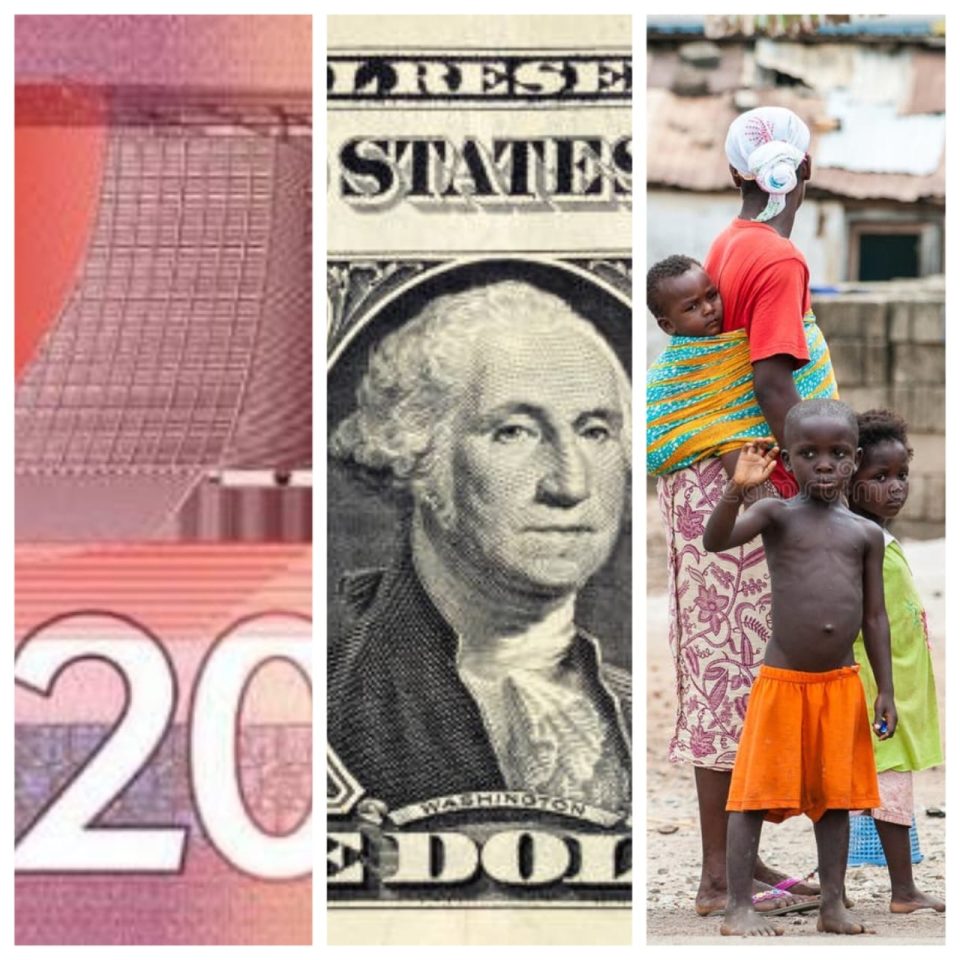
Ghanaians have raised concerns about the continued economic difficulties facing households despite reported gains in the performance of the Ghanaian cedi against major international currencies. Many citizens say improvements in the currency’s value have yet to translate into meaningful relief in their daily lives, as the cost of living remains a major concern.
The cedi’s appreciation can be an encouraging development for the economy, particularly because it may help reduce the cost of imported goods and ease some inflationary pressures. However, many Ghanaians believe that the true benefits of economic progress should be reflected in the prices of essential commodities, increased purchasing power and improved living conditions.
For ordinary households, the cost of food, transportation, rent, electricity, water and other basic necessities continues to influence their financial decisions. Workers, traders, artisans and other income earners must carefully manage their limited resources to meet their daily needs, with some struggling to balance household expenses against their earnings.
Some consumers argue that even when the cedi gains strength, the prices of goods and services do not always fall immediately. Businesses may continue to sell existing stock purchased at earlier exchange rates, while transportation, energy, labour and distribution costs can also influence the final prices consumers pay. Consequently, the benefits of currency appreciation may take time to reach households.
Food prices remain a particularly important concern for many families, as spending on essential items takes up a significant portion of household budgets. For parents with school-going children, the pressure can be even greater, with school fees, learning materials, feeding and transportation adding to their financial responsibilities.
Small businesses and traders are also watching developments in the exchange rate closely. Businesses that depend on imported raw materials, equipment and finished products may benefit from a stronger cedi if the gains are sustained and reflected in their purchasing costs. However, local producers and service providers also face other operational expenses that may prevent them from reducing prices immediately.
Economists generally distinguish between currency appreciation, inflation and the overall cost of living. A stronger cedi does not automatically mean that prices will fall. While appreciation can make imports cheaper, the effect depends on factors such as global commodity prices, domestic production costs, market competition, taxes and how quickly businesses adjust their prices.
The concerns expressed by consumers therefore raise questions about how economic gains can be translated into tangible improvements in people’s lives. Citizens are interested not only in exchange-rate movements and other economic indicators but also in whether their incomes can buy more goods and services than before. For many households, economic recovery becomes meaningful when they can afford food, pay their bills and meet other essential obligations without excessive financial pressure.
There is also a growing need for clear communication about the country’s economic performance. Government officials, financial institutions, economists and business associations can help the public understand the relationship between the cedi’s performance, inflation, employment, wages and market prices. Regular monitoring of essential commodity prices and effective enforcement of fair-trading rules can also help identify practices that unfairly burden consumers.
Ultimately, the central concern is whether improvements in the broader economy will produce lasting benefits for ordinary Ghanaians. Although a stronger cedi can contribute to economic stability, sustained improvements in domestic production, employment, wages and the affordability of essential goods remain important to household welfare. For many citizens, the real measure of economic progress is not simply how strongly the cedi performs against the dollar, but how much more they can afford with the money in their pockets.
