
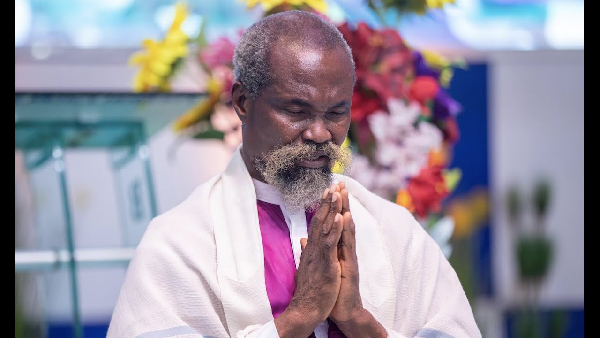
Prophet Stephen Adom Kyei Duah’s teachings and ministry have attracted considerable attention among Christians and the wider Ghanaian public, prompting calls for his messages, leadership style and spiritual influence to receive serious academic attention. Supporters believe that studying his ministry could provide valuable insight into contemporary Christianity in Ghana.
The growing influence of religious personalities in Ghanaian society makes it important for universities and research institutions to examine the ideas, practices and social impact associated with prominent Christian ministries. Such academic study, proponents argue, should be undertaken objectively and without prejudice, focusing on evidence rather than simply accepting or rejecting religious claims.
Prophet Adom Kyei Duah, through his preaching, prayer sessions and counselling, has built a substantial following. His teachings frequently address faith, prayer, personal transformation, discipline, spiritual warfare and the relationship between religious commitment and everyday life. For many followers, these messages have become an important source of spiritual guidance.
The impact of his ministry is therefore not limited to the pulpit. His supporters say his teachings have influenced their attitudes towards faith, family, work, personal responsibility and perseverance. Some followers also credit his ministry with encouraging them to remain hopeful during difficult periods and to deepen their commitment to Christianity.
It is this wider social influence that makes his ministry worthy of scholarly examination. Universities could examine how his teachings are received by different generations, how religious messages are communicated through modern media, and how charismatic Christian leadership continues to influence Ghanaian society.
Such research could also contribute to a broader understanding of Ghana’s religious landscape. Christianity has played a significant role in the country’s social and cultural development, and contemporary ministries represent an important part of that continuing story. Documenting these developments would help future generations understand how religious movements evolved in the 21st century.
However, academic study should not be confused with religious endorsement. A university studying a religious leader does not necessarily have to agree with his teachings or theological interpretations. Rather, scholars can examine them through disciplines such as religious studies, sociology, anthropology, communication and history.
There is also a need for respectful public discussion about influential religious leaders. Differences in theological opinion are inevitable, but criticism should be based on facts and conducted responsibly. Likewise, admiration for a religious figure should not prevent legitimate questions and scholarly scrutiny.
For proponents of greater academic attention to Prophet Adom Kyei Duah’s ministry, the central argument is therefore straightforward: influence deserves documentation and study. If a religious movement has touched the lives of a significant number of people and contributed to public discourse, scholars should be able to examine its teachings, methods and social consequences.
Ultimately, Ghana’s universities should remain open to studying the religious movements shaping contemporary society. Prophet Adom Kyei Duah’s ministry could provide one case study within a much broader examination of Ghanaian Christianity, charismatic leadership and religious communication. Whatever conclusions researchers reach, an objective academic examination could contribute meaningfully to the national conversation about faith and society.
