
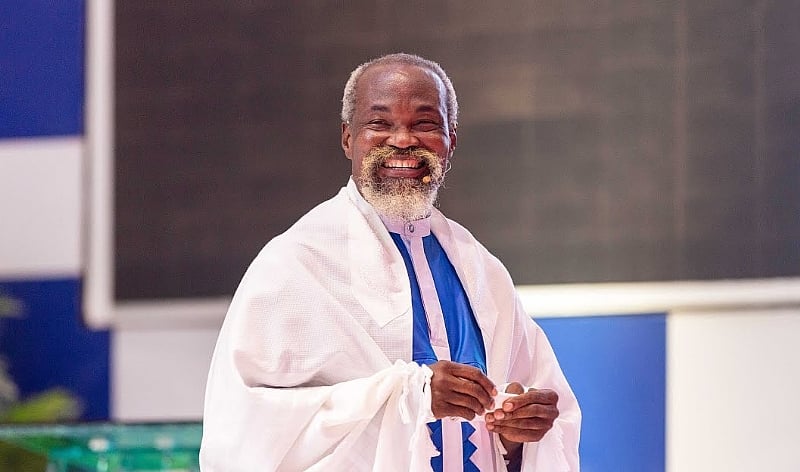
In an era where the prophetic ministry continues to wield significant influence in Ghanaian society, the conduct and leadership style of religious leaders deserve serious attention. The pulpit is not merely a platform for preaching; it is a position of influence that carries enormous responsibility. It is against this background that the leadership, teachings and public demeanor of Prophet Adom Kyei Duah offer lessons worthy of reflection.
A prophet, by the very nature of the calling, is expected to be a voice of guidance, hope and moral direction. Beyond prophecies and spiritual declarations, society looks to religious leaders for wisdom, discipline and responsible conduct. Prophet Adom Kyei Duah’s approach to ministry demonstrates why character and leadership should remain central to the work of every spiritual leader.
One of the qualities that deserves attention is discipline. In a society where public figures are increasingly judged by their words and actions, religious leaders cannot afford to treat their conduct lightly. Discipline creates trust, strengthens institutions and gives followers confidence in those providing spiritual direction.
Leadership also requires humility. The greater a person’s influence becomes, the greater the responsibility to remain measured, respectful and accountable. Religious leadership should not be about personal glorification, but about serving people, strengthening faith and encouraging individuals to become better citizens.
Another important lesson is the power of teaching. A responsible spiritual leader should help followers understand their responsibilities, develop sound values and navigate the challenges of everyday life. Sound teaching should inspire people to think positively, act responsibly and contribute meaningfully to their communities.
The prophetic ministry must also recognise the influence it has on young people. Many young Ghanaians look up to religious leaders as role models. Consequently, the words, behaviour and lifestyle of prophets can leave lasting impressions on the next generation. This makes responsible leadership particularly important.
There is also a need for prophets to understand that disagreement does not have to become hostility. Religious leaders can hold strong convictions while still demonstrating respect, restraint and maturity. The ability to communicate firmly without unnecessary confrontation is itself a mark of wisdom and leadership.
Prophet Adom Kyei Duah’s public presence therefore provides an opportunity for a broader conversation about the kind of prophetic leadership Ghana needs. The lesson is not that every prophet must copy another person’s personality or style, but that qualities such as discipline, humility, wisdom and responsible communication should be encouraged across the prophetic community.
Ghana needs religious leaders who will use their influence to promote peace, morality, hard work, compassion and national development. At a time when society faces numerous social and economic challenges, the church and its leaders have an important role to play in shaping responsible citizens and strengthening the moral fabric of the nation.
Ultimately, prophetic leadership should be measured not only by the size of a congregation, the number of miracles reported or the popularity of a minister, but also by the lives transformed and the values promoted. The voice of God, where it is genuinely represented, should be accompanied by wisdom, discipline, humility and love.
For these reasons, other prophets and religious leaders can draw valuable lessons from Prophet Adom Kyei Duah’s leadership, teachings and demeanor. The prophetic ministry is a sacred responsibility, and those entrusted with it must continually strive to become examples worthy of the people they lead. Ghana needs a prophetic ministry that speaks with wisdom, leads with discipline and influences society for the better.
